NEWS
SRS 2026
SRS 2026
SRS 2026
The convergence of technology, human expertise and ethical rollout
Every year, the Society of Robotic Surgery (SRS) Annual Meeting offers a glimpse of where robotic surgery is heading.
This year the momentum was palpable.
Not because of a single breakthrough robot or another impressive AI demonstration, but because the conversation itself has evolved. We're no longer asking whether robotic surgery, artificial intelligence or telesurgery will become part of mainstream healthcare. This shift is happening.
The discussion has expanded to how we responsibly scale these technologies to improve patient outcomes, expand access to specialist care and support surgeons wherever they practise.


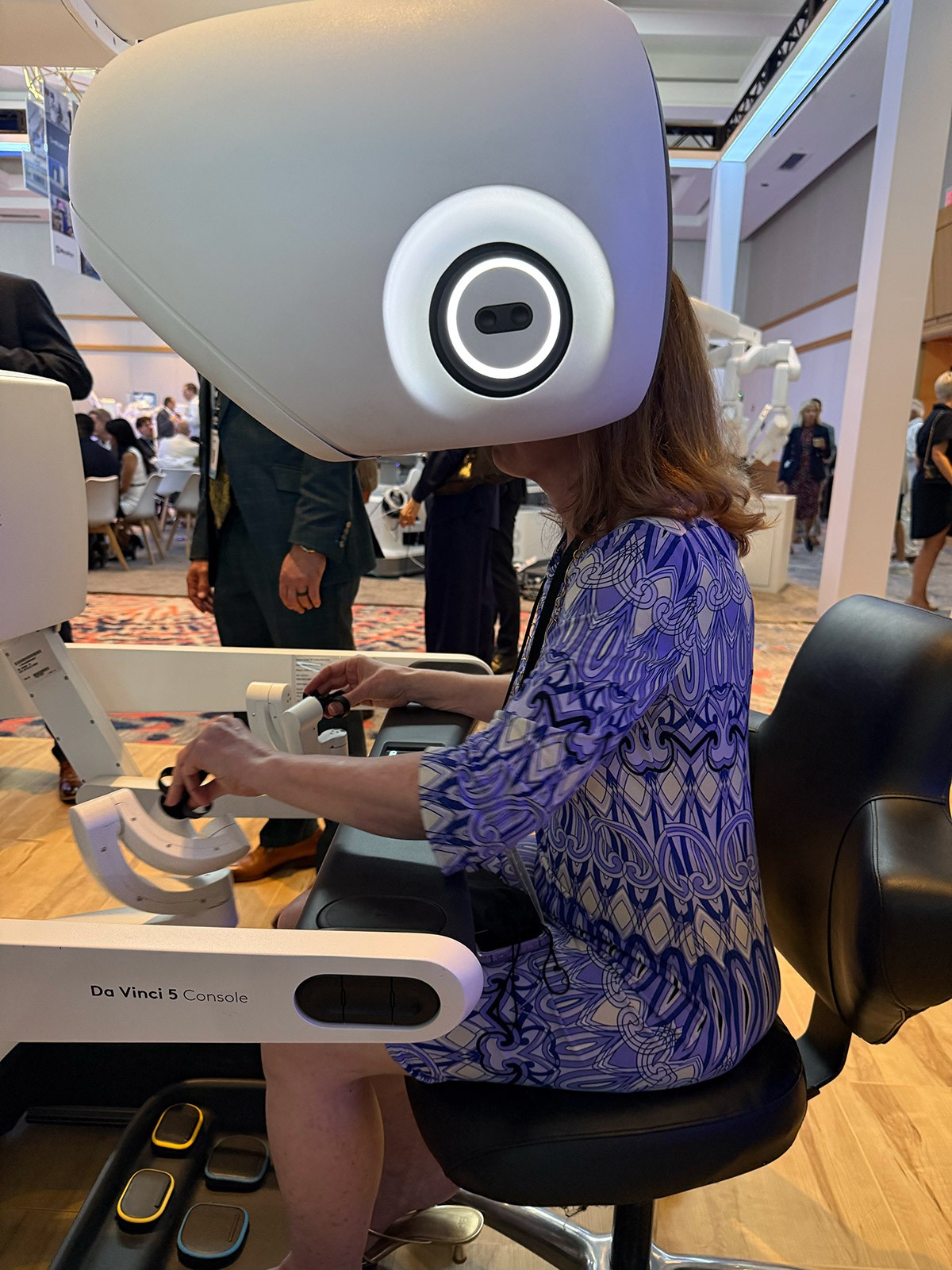
The latest generation of robotic systems demonstrated a maturing market. Johnson & Johnson's OTTAVA platform, the Da Vinci 5, ION and emerging systems from companies including MicroPort and SSI showcased advances in precision, ergonomics, haptics and workflow. Surgical robotics continues to become more capable, more intuitive and increasingly designed around the needs of both surgeons and patients.
Perhaps the most significant change, however, is the progress in telesurgery.
Only a few years ago, mainstream remote surgery was discussed as an exciting possibility. Today, successful procedures have already demonstrated what is achievable, notably with SXR as the backbone of many cases.
At SRS, the conversation was no longer about proving that telesurgery works. It centred on the infrastructure, connectivity, clinical governance and education required to make it more widely available. For many regions around the world, particularly those with limited access to specialist expertise or geographical divides to overcome, it has the potential to fundamentally change how surgical care is delivered.
Some of the trials we are undertaking at SXR are already bringing about this change.
Artificial intelligence in surgery, proctoring and diagnosis is nearing such a tipping point.
Rather than replacing clinical judgement, AI is increasingly being developed to support it. Across planning, workflow optimisation, procedural analysis and education, AI is becoming another layer within the surgical ecosystem. Its long-term value is not simply based on what it can generate, but on how reliably it can measure, assess, support, expedite and at times improve clinical decision-making.

That was reflected in SXR Co-Founder Professor Michael Wilson's abstract on developing methodologies for expert-AI concordance in robotic internal mammary artery harvesting quality assessment. It represents an important step towards validating AI against experienced surgeons and creating objective, repeatable measures of surgical performance. As AI becomes more deeply embedded within healthcare, building that trust will be every bit as important as the algorithms themselves.
Another area attracting considerable attention was robotic assistance beyond the operating console. Early-stage humanoid robotic systems demonstrated how robotics can support operating theatre workflows alongside surgical teams. While these technologies remain in clinical evaluation, they offer an interesting perspective on how operating theatres may continue to evolve over the coming decade.
Above all, it wasn’t any single technology that made a lasting impression, but the convergence of several technologies and the synthesis of such developments with human expertise and experience.
Robotics. Artificial intelligence. High-speed connectivity. Objective performance assessment. Remote collaboration. Digital education.
These technologies are beginning to mature together into a connected surgical ecosystem which is improving how procedures are performed, how surgeons are trained and how expertise is shared across the world.
This is the inflection point at which SXR thrives. By connecting clinicians, hospitals, researchers and medical technology partners through secure live collaboration, procedural capture, teleproctoring and AI-enabled analysis, we're helping build the digital infrastructure that supports the next generation of surgery.
While innovation is exciting, true progress lies in translating these advances into everyday clinical practice, ensuring they are trusted, measurable and accessible to more surgeons and more patients.
The future of robotic surgery isn't defined by a single robot or a single breakthrough. It's being shaped by an ecosystem of technologies working together to improve patient care, support practitioners and bring about more effective and efficient hospitals and medical institutions.
SRS 2026
The convergence of technology, human expertise and ethical rollout
Every year, the Society of Robotic Surgery (SRS) Annual Meeting offers a glimpse of where robotic surgery is heading.
This year the momentum was palpable.
Not because of a single breakthrough robot or another impressive AI demonstration, but because the conversation itself has evolved. We're no longer asking whether robotic surgery, artificial intelligence or telesurgery will become part of mainstream healthcare. This shift is happening.
The discussion has expanded to how we responsibly scale these technologies to improve patient outcomes, expand access to specialist care and support surgeons wherever they practise.
The latest generation of robotic systems demonstrated a maturing market. Johnson & Johnson's OTTAVA platform, the Da Vinci 5, ION and emerging systems from companies including MicroPort and SSI showcased advances in precision, ergonomics, haptics and workflow. Surgical robotics continues to become more capable, more intuitive and increasingly designed around the needs of both surgeons and patients.
Perhaps the most significant change, however, is the progress in telesurgery.
Only a few years ago, mainstream remote surgery was discussed as an exciting possibility. Today, successful procedures have already demonstrated what is achievable, notably with SXR as the backbone of many cases.
At SRS, the conversation was no longer about proving that telesurgery works. It centred on the infrastructure, connectivity, clinical governance and education required to make it more widely available. For many regions around the world, particularly those with limited access to specialist expertise or geographical divides to overcome, it has the potential to fundamentally change how surgical care is delivered.
Some of the trials we are undertaking at SXR are already bringing about this change.
Artificial intelligence in surgery, proctoring and diagnosis is nearing such a tipping point.
Rather than replacing clinical judgement, AI is increasingly being developed to support it. Across planning, workflow optimisation, procedural analysis and education, AI is becoming another layer within the surgical ecosystem. Its long-term value is not simply based on what it can generate, but on how reliably it can measure, assess, support, expedite and at times improve clinical decision-making.
That was reflected in SXR Co-Founder Professor Michael Wilson's abstract on developing methodologies for expert-AI concordance in robotic internal mammary artery harvesting quality assessment. It represents an important step towards validating AI against experienced surgeons and creating objective, repeatable measures of surgical performance. As AI becomes more deeply embedded within healthcare, building that trust will be every bit as important as the algorithms themselves.
Another area attracting considerable attention was robotic assistance beyond the operating console. Early-stage humanoid robotic systems demonstrated how robotics can support operating theatre workflows alongside surgical teams. While these technologies remain in clinical evaluation, they offer an interesting perspective on how operating theatres may continue to evolve over the coming decade.
Above all, it wasn’t any single technology that made a lasting impression, but the convergence of several technologies and the synthesis of such developments with human expertise and experience.
Robotics. Artificial intelligence. High-speed connectivity. Objective performance assessment. Remote collaboration. Digital education.
These technologies are beginning to mature together into a connected surgical ecosystem which is improving how procedures are performed, how surgeons are trained and how expertise is shared across the world.
This is the inflection point at which SXR thrives. By connecting clinicians, hospitals, researchers and medical technology partners through secure live collaboration, procedural capture, teleproctoring and AI-enabled analysis, we're helping build the digital infrastructure that supports the next generation of surgery.
While innovation is exciting, true progress lies in translating these advances into everyday clinical practice, ensuring they are trusted, measurable and accessible to more surgeons and more patients.
The future of robotic surgery isn't defined by a single robot or a single breakthrough. It's being shaped by an ecosystem of technologies working together to improve patient care, support practitioners and bring about more effective and efficient hospitals and medical institutions.
FAQ
What is Surgical XR?
Surgical XR is a next-generation platform enabling healthcare professionals to live stream surgeries to remote participants in real time. By recording procedures, Surgical XR facilitates in-depth analysis, advanced training, and remote learning opportunities, all with the ultimate goal of enhancing patient outcomes.
Who is it built for?
Surgical XR is designed for surgeons, proceduralists, hospitals, and healthcare professionals or institutions aiming to enhance surgical efficiency in the operating theater.
How much does Surgical XR cost?
Explore our flexible plans tailored to meet the needs of both individual healthcare practitioners and healthcare institutions.
What countries does Surgical XR operate in?
Surgical XR is currently available in Australia, New Zealand, and the United States, but we welcome inquiries from healthcare professionals worldwide.
Proctoring, case capturing,
storage and analysis.
Get your team started with remote proctoring, today.
Get your team started with remote proctoring, today.